Best nakshatras11 classical stars
Personal checksChandrabala & Tarabala
AvoidChaturmas & Kharmas
Ideal timeGodhuli (near sunset)
Get Your Personal Wedding Dates in 3 Steps
1Enter both birth datesAdd the bride’s and groom’s names and dates of birth.
2Choose the yearPick the year in which you plan to marry.
3Get your datesWe match the year’s muhurats with both your signs and list the dates that suit you as a couple.
Upcoming Wedding Muhurat Dates
The next general Vivah muhurats from the Panchang. Check your personal dates before finalising – not every general date suits every couple.
November 2026
20Fri21Sat22Sun24Tue28Sat29Sun
December 2026
2Wed3Thu4Fri5Sat11Fri12Sat14Mon16Wed
Why the Muhurat Matters
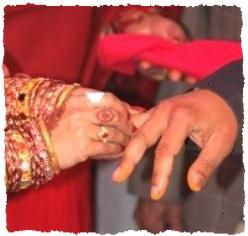
A spouse shapes more than half of a person’s life, so most Indian families take great care over the wedding date. Before anything else, be sure of your feelings for each other – then let astrology help you choose the moment to begin.
A muhurat is chosen from the Panchang: the tithi (lunar day), nakshatra, yoga, karana and weekday, together with the positions of the Moon, Jupiter and Venus. When the chosen day is also favourable for both the bride and the groom, the couple is said to enjoy a long, healthy and harmonious married life.
Vedic muhurat rules are detailed and sometimes complex. Below we explain the key principles simply; our free calculator applies them to your own birth details.
The Rules of a Good Marriage Muhurat
Favourable conditions
- The Moon in one of the classical marriage nakshatras (see below)
- The Moon in the 1st, 4th, 5th, 7th, 9th or 10th house from the wedding ascendant, aspected by Jupiter
- Good Chandrabala (lunar strength) and Tarabala for both bride and groom
- Jupiter, Venus, the Sun and the Moon well placed and free from combustion
- A pure 7th house in the wedding chart
Times to avoid
- When Jupiter or Venus is combust (too close to the Sun)
- Chaturmas – Devshayani to Dev Uthani Ekadashi (about July to November)
- Kharmas – the Sun in Sagittarius or Pisces (mid-December to mid-January, mid-March to mid-April)
- Mars in the 8th or Venus in the 6th house of the wedding chart
- The Moon in the 6th, 8th or 12th house, or joined with or aspected by malefics
- Amavasya (new moon), Rikta tithis and eclipse days
The Best Nakshatras for Marriage
According to the classical texts, the Moon should be in one of these eleven nakshatras on the wedding day:
RohiniMrigashiraMaghaUttara PhalguniHastaSwatiAnuradhaMulaUttara AshadhaUttara BhadrapadaRevati
Godhuli Lagna – the auspicious hour of duskThe time around sunset, when cattle return home raising dust (godhuli), is traditionally considered one of the most auspicious moments for the wedding ceremony to begin.
Frequently Asked Questions
What is a marriage muhurat?
A marriage muhurat is an auspicious date and time for the wedding, chosen from the Panchang – the tithi, nakshatra, yoga and planetary positions – and checked against the birth charts of the bride and groom.
Which months are avoided for marriage?
Weddings are traditionally avoided during Chaturmas (from Devshayani Ekadashi to Dev Uthani Ekadashi, roughly July to November), during Kharmas when the Sun is in Sagittarius or Pisces, and while Jupiter or Venus is combust.
Which nakshatras are best for marriage?
Rohini, Mrigashira, Magha, Uttara Phalguni, Hasta, Swati, Anuradha, Mula, Uttara Ashadha, Uttara Bhadrapada and Revati are the classical nakshatras for marriage.
Are general muhurat dates suitable for everyone?
No. General dates satisfy the Panchang rules, but the final date should also give good Chandrabala and Tarabala to both the bride and groom. Our free calculator filters the dates using both partners’ birth details.
Find the Perfect Date for Your Wedding
Enter both your birth details and the year you plan to marry – we’ll list the muhurats that suit you as a couple.